Understanding Over-the-Counter Medications
Over-the-counter (OTC) medications are drugs that can be purchased without a prescription, allowing consumers to treat common ailments independently. These medications cover a wide range of categories including pain relief, cold and allergy relief, digestive aids, and topical treatments for skin conditions, among others. The convenience of OTC medications plays a significant role in managing minor health issues effectively and promotes self-care among individuals.
The primary distinction between OTC and prescription medications lies in their regulation and intended uses. OTC medications are generally considered safe and effective for self-administration when used as directed, while prescription medications are typically reserved for more complex health issues that require professional oversight. This difference underscores the importance of understanding the uses and limitations of OTC drugs, both for personal health management and for the well-being of family members, particularly seniors who may be managing multiple medications.
While OTC medications are essential for treating minor health problems, it is crucial to acknowledge the potential risks associated with their inappropriate use. Misuse can lead to adverse effects or unintended interactions, particularly among elderly individuals who often take multiple medications. Families should ensure that all members are educated about the proper use of OTC medications, including correct dosage and potential side effects. Moreover, caregivers should remain vigilant to avoid confusion that may arise from similar product names or formulations, as this can pose significant risks to health.
Step 1: Reading Labels Carefully
The safety and effectiveness of over-the-counter (OTC) medications heavily depend on the careful reading of their labels. This fundamental step serves as a crucial guide for ensuring that individuals use these medications appropriately. Each OTC product comes with a label that provides essential information such as dosage instructions, active ingredients, warnings, and expiration dates. Understanding how to interpret this information is vital for safe use.
When scrutinizing dosage instructions, it is imperative to note not only the recommended dose but also any age-specific guidelines. Children and seniors require particular attention due to their distinct physiological characteristics. For children, the dosage often depends on age and weight; therefore, parents should ensure they have accurate information before administering any medication. When it comes to seniors, certain medications may not be advisable due to potential interactions with prescriptions or existing health conditions.
The list of active ingredients found on the label can also provide insight into the medication’s purpose. This is particularly important for individuals who may be sensitive to certain components or who are taking multiple medications. Additionally, vigilance towards warnings and precautions is essential, as these sections often highlight potential risks and side effects associated with the medication. Reading these warnings can help avoid adverse reactions.
Another critical aspect of reading labels is the expiration date. Using medications beyond their expiration can compromise effectiveness and safety. It is advisable to regularly check the medicine cabinet to ensure that all medications are within their shelf life, particularly those that may be used infrequently. By prioritizing these label-reading practices, individuals can significantly enhance their safety when using OTC medications.
Step 2: Always Consult with Your Healthcare Provider
Before initiating any over-the-counter (OTC) medication, it is crucial to consult with a healthcare provider. Such consultations can be instrumental in ensuring that the chosen medication aligns with your personal healthcare needs and conditions. Healthcare professionals possess the requisite knowledge and expertise to provide tailored recommendations based on individual health profiles.
Healthcare providers can help identify any underlying health issues that may influence the effectiveness or safety of specific OTC medications. For instance, they can assess pre-existing medical conditions such as asthma, diabetes, or heart disease, which may influence the best treatment options available. Furthermore, they are well-versed in the potential risks associated with certain medications and can prevent adverse reactions or complications arising from their use.
Additionally, it is important to discuss all other medications being taken, including prescription drugs and other OTC products. This dialogue allows healthcare professionals to identify possible drug interactions, which might diminish the effects of either medication or, in some instances, pose serious health risks. Understanding these interactions is essential for safe medication practices.
Moreover, your healthcare provider can prescribe appropriate dosages based on your specific health needs and circumstances. This information is especially vital when managing multiple medications, as the compounded effects can lead to inefficacy or toxicity. By consulting a healthcare provider, patients can not only ensure they are using medications safely, but they can also maximize their therapeutic benefits.
In essence, taking the step to consult with a healthcare provider prior to using OTC medications is a fundamental part of responsible medication management. Engaging with healthcare professionals fortifies your understanding and promotes safer health outcomes.
Step 3: Monitoring for Side Effects
When using over-the-counter (OTC) medications, it is essential to monitor for side effects actively. Side effects can range from mild reactions, such as stomach upset or drowsiness, to more serious complications that may require medical attention. Patients should read the information leaflet that accompanies the medication to identify common side effects associated with their specific OTC product. Additionally, individuals should remain vigilant for any unusual symptoms after taking the medication.
If adverse reactions occur, it is crucial to determine their severity. For relatively mild side effects, discontinuing the medication and consulting a healthcare professional may suffice. However, individuals experiencing severe reactions, such as difficulty breathing, swelling of the face or throat, or severe dizziness, should seek emergency medical assistance promptly.
Step 4: Avoiding Mixing Medications
Mixing different medications can increase the risk of adverse effects or diminish the efficacy of one or both drugs. This risk becomes particularly significant when combining OTC medications with prescription drugs or other OTC products. To mitigate these dangers, individuals should always consult a healthcare provider or pharmacist before mixing medications. Additionally, being aware of the active ingredients in each medication helps in avoiding duplicate ingredients that can lead to an overdose.
Furthermore, those taking multiple medications should maintain an updated list that includes all drugs, ensuring complete transparency when seeking advice from healthcare professionals. This practice fosters informed decisions about drug interactions and enhances overall safety.
Step 5: Storing Medications Safely
Safe storage of medications is crucial in preventing accidental ingestion, especially in households with children or older adults. OTC medications should be stored in a cool, dry place away from moisture and heat, such as bathroom cabinets that may become humid. Furthermore, medications should be kept out of reach of children, ideally in child-proof containers or high shelves.
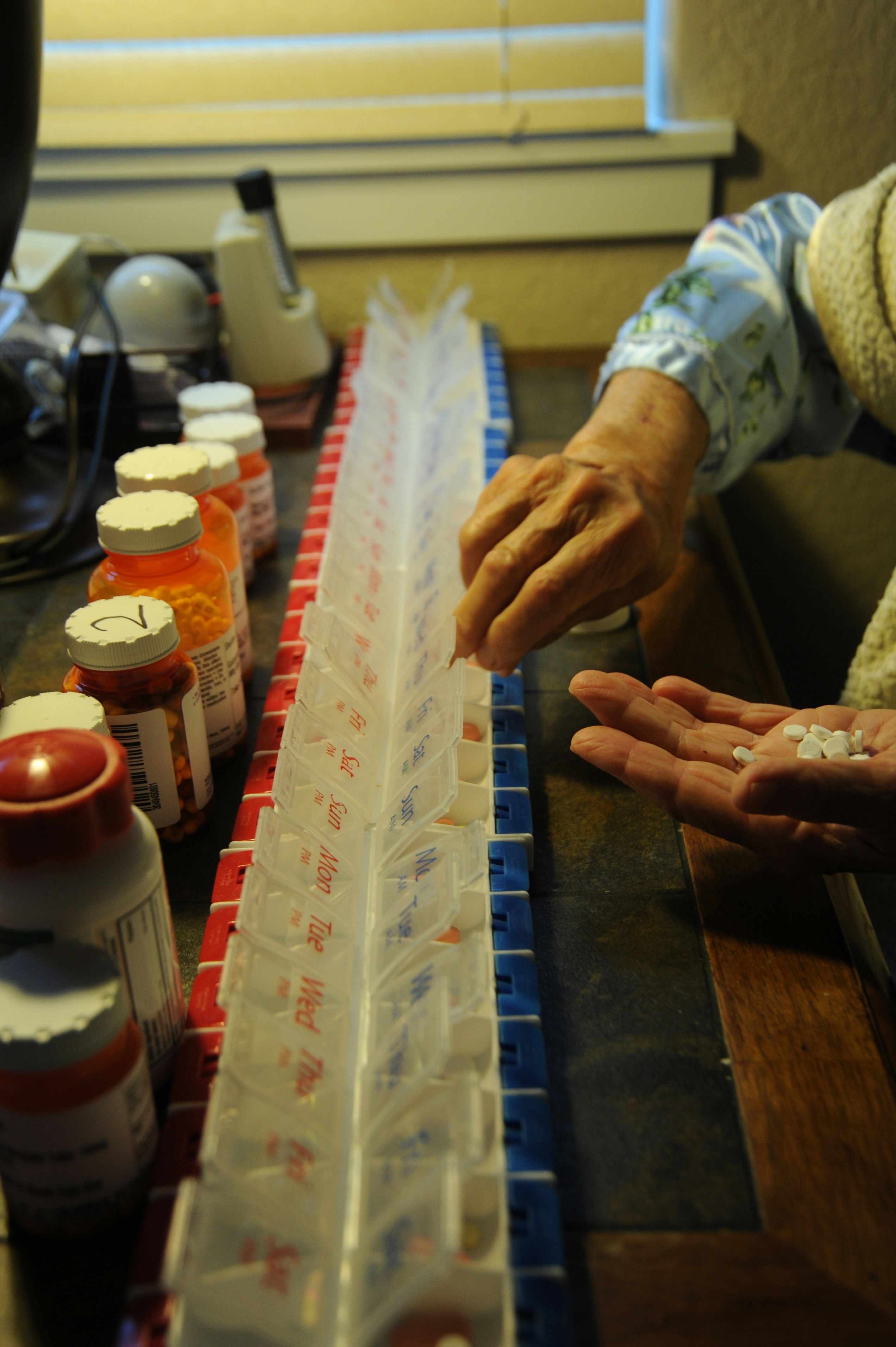
For older adults, reminders to keep medications organized and clearly labeled can be beneficial. Using a weekly pill organizer can assist in managing dosages while ensuring that medications remain safely stored. Regularly reviewing expiration dates and properly disposing of outdated medications are also recommended practices to maintain a safe medication environment.
By following these five steps families can integrate OTC over- the -counter medications into their health care routines.
*”This information is for general education-always check with your healthcare provider for personal advice”
Have you dealt with the issue of OTC medications safety before? What helped you the most? Please leave a message in the comment section. Your experience may really help someone else reading this post.
I update this all my posts weekly. You are invited to read my next article dated 4/27/2026 (Flu vs. Food Poisoning)
Leave a Reply